
Project Managers:
Up2green and FORESTEVER
Project History:
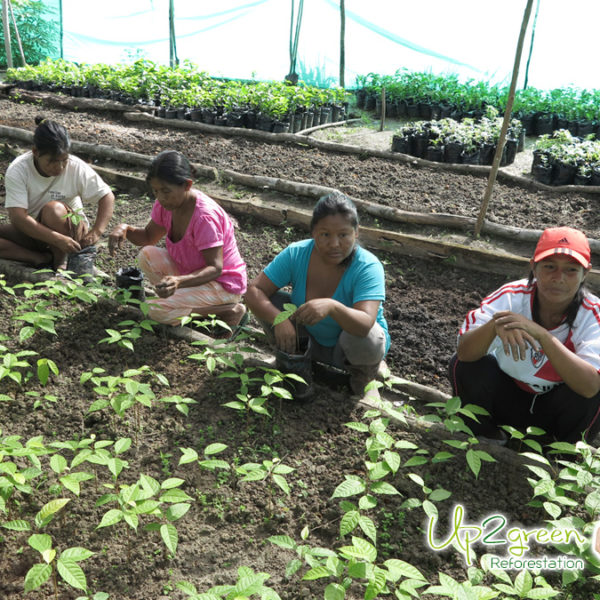
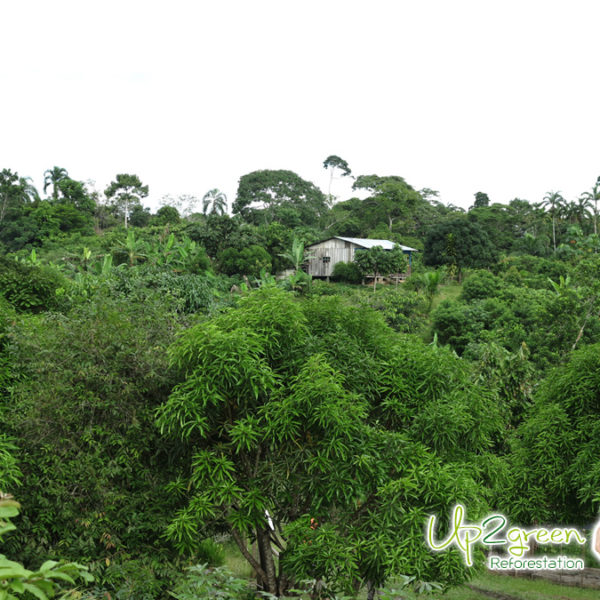
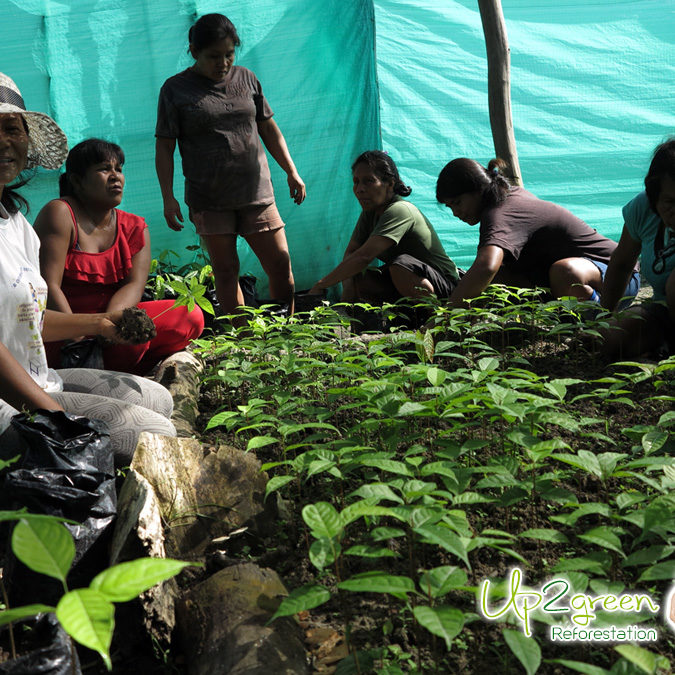
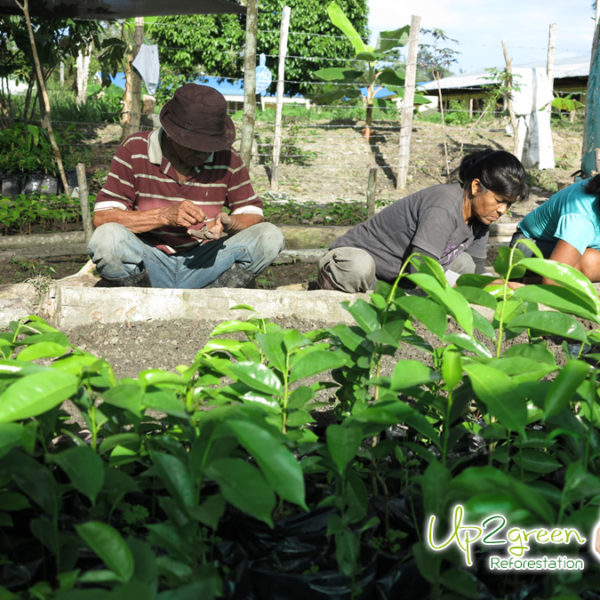
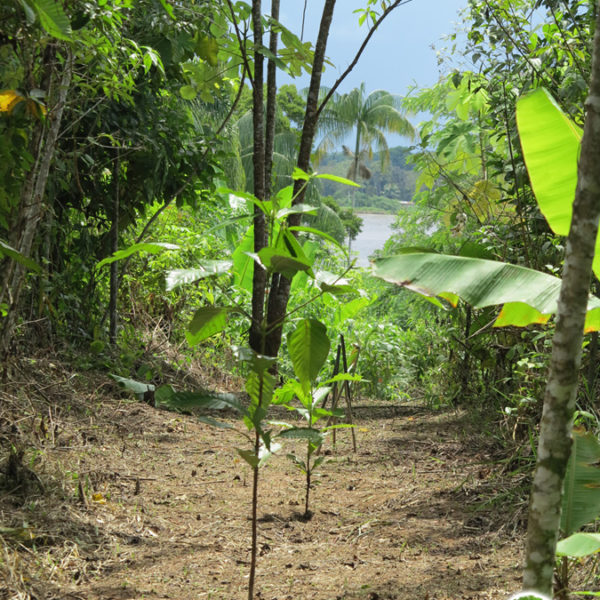
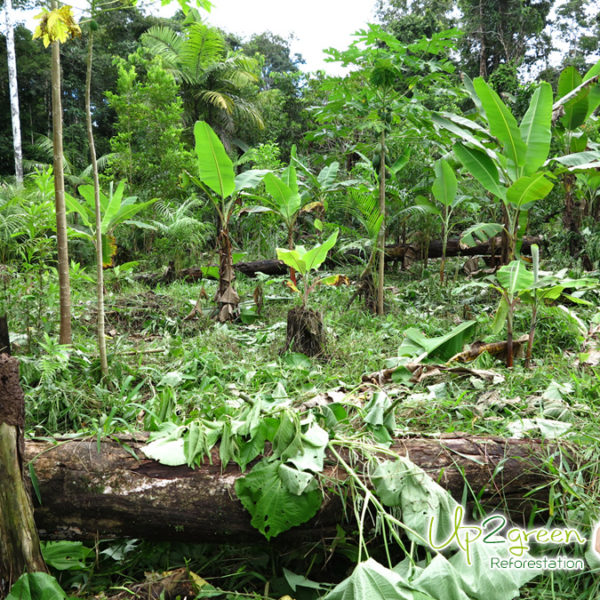
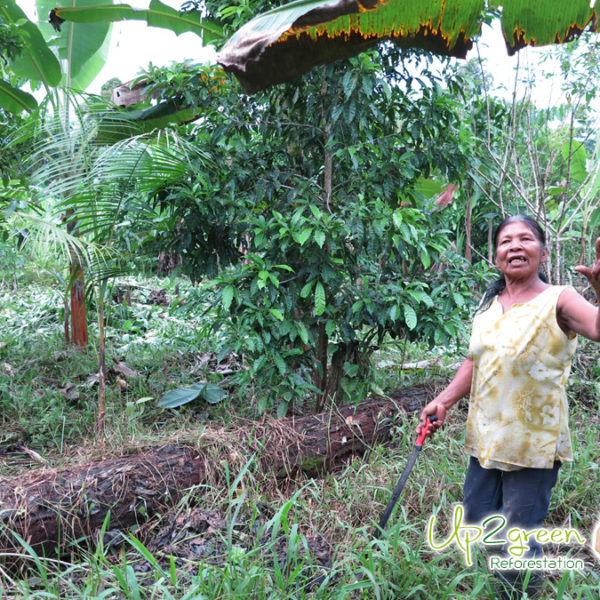
The project began in 2011 with the San Antonio community, stemming from a partnership between the FORESTEVER association and Up2green Reforestation. Their shared goal was to develop the agroforestry model and promote its benefits to both communities and the environment. This sustainable management approach is conducive to maintaining biodiversity maintenance through the diversified cultivation of species and continually enriches soils with organic matter produced by this system.
Objectives:
- Develop agroforestry, incorporating the concepts of species complementarity and resilience of cultivated systems.
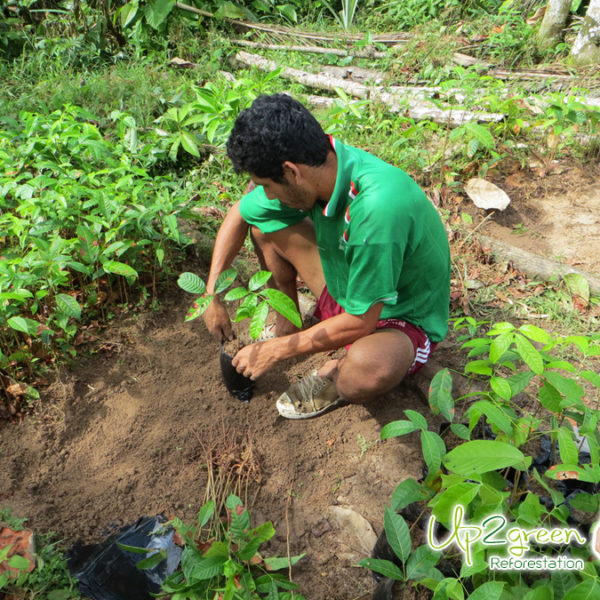
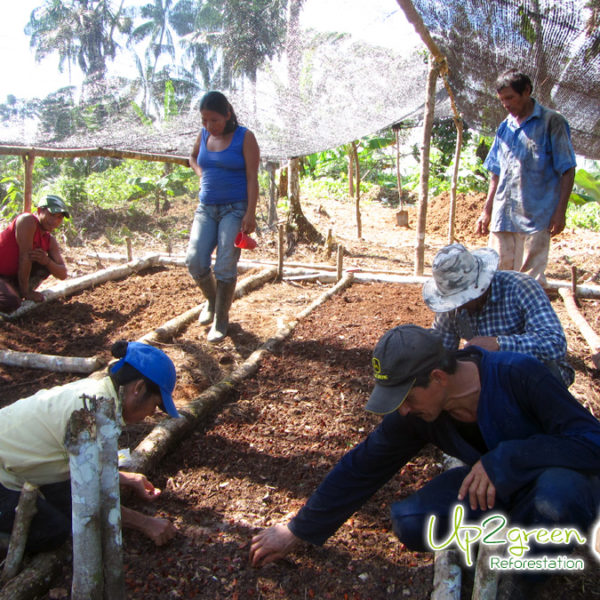
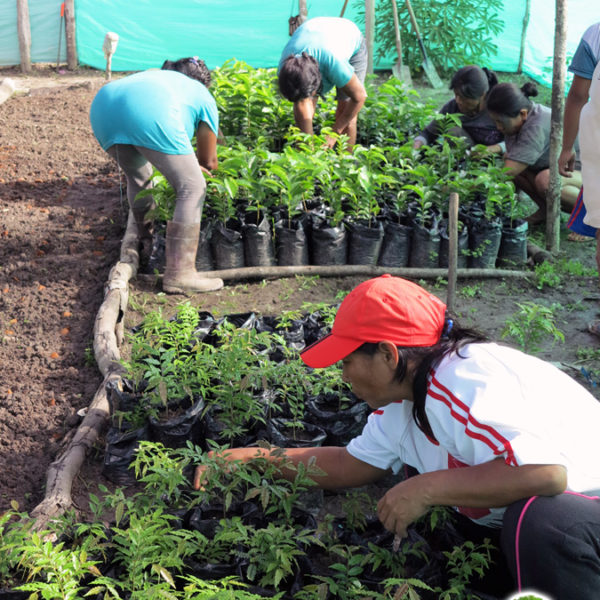
- Plant over 24,000 trees within the next three years.
- Gradually replace extractive practices with more sustainable agroforestry methods.
- Engage younger generations who undervalue and are unaware of the importance of agricultural practices for food and political autonomy.
- Develop the processing and marketing of Amazonian fruits.
Project Overview:
The Amazon region of Leticia evolved in the 19th century, driven by the burgeoning rubber industry. Historically governed by Peru and Brazil, Leticia became part of Colombia in 1930. Previous colonisation policies decimated 80% of the indigenous population. By 1930, the city had only 1,000 residents but quickly expanded as migrants from inland Colombia brought their customs and lifestyle. Local services are managed by people from other regions of the country, resulting in the city developing based on non-Amazonian standards and customs. The indigenous populations have neither adopted the city nor actively participated in its development.
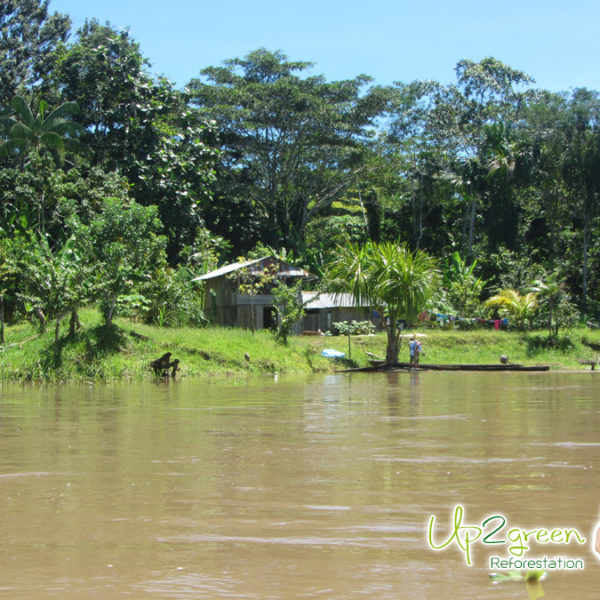
Leticia can only be accessed by air from Colombia or by boat from Brazil. A lone paved road that penetrates the forest is flanked by indigenous communities. The natives (Boras, Yaguas, Huitotos, Ticunas, Cocamas) subsist on state aid and tourism, often dominated by hotel chains. These communities practise subsistence farming and artisanal fishing, too modest to be industrialised. However, they are losing their traditional lifestyle to an imposed way of living, struggling to integrate.
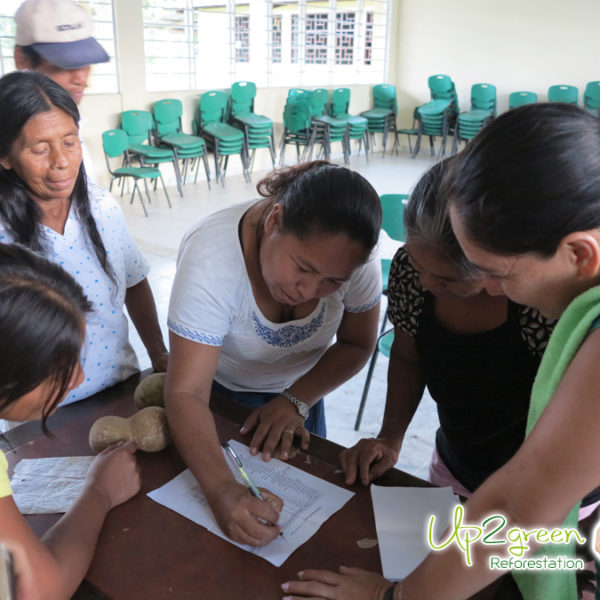
Protecting forest and medicinal species has become crucial to generate benefits for both the local populations and the conservation of local biodiversity. Protecting, producing, and processing these resources enhances the valuation of forest resources. Some farmers currently process a small fraction of their fruit produce without adhering to hygiene standards, no longer meeting consumer demands for sanitary quality. The project aims to transform forest products in compliance with current health standards, requiring investments in equipment and training, and the development of agroforestry models for sustainable supply and production.
Beneficiaries:
The indigenous communities benefiting from the project, San Martín de Amacayacu and Casiyanaira (km 11), are situated near the city of Leticia, at the heart of the Amazon. The communities of Zaragoza and Arara, among the most populated in the department, have also expressed interest in the project. The residents of these communities depend on cultivating cassava, hunting, fishing, and occasionally tourism. The majority belong to the Ticuna ethnic group, one of the most populous in the entire Amazon basin.