Cameroon – Biodiversity and the Coconut Sector

Project Managers:

TFRD is a conservation and sustainable development association founded in 2010. It aims to reduce poverty, protect ecosystems and save endangered species for the benefit of local communities living around Cameroon’s Protected Areas.

Location:

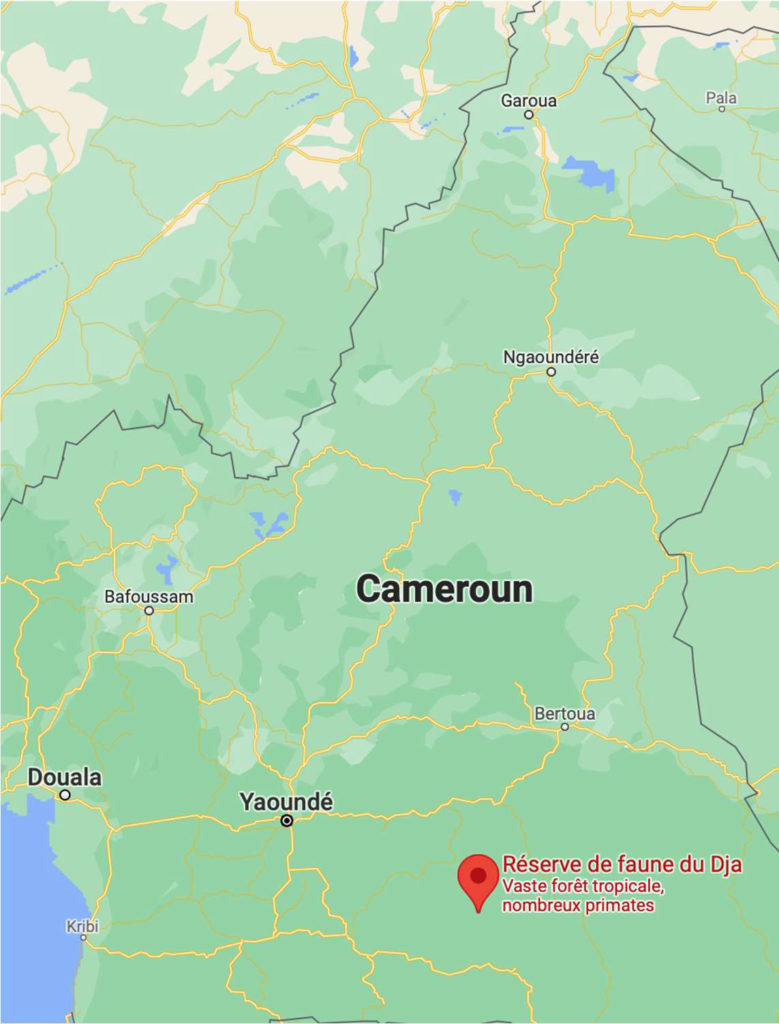
Peripheries of the Dja (Eastern Region) and Campo Ma’an (Southern Region) reserves.

Duration:

3 years (renewable)

Projections:

More than 25,000 trees to be planted plus support for the production of various non-timber forest products (NTFPs). Conservation efforts for gorillas and sea turtles are also planned.

Objectives:

  • Provide a sustainable income for indigenous populations and women living on the outskirts of the two nature reserves;
  • Raise awareness among the populations about the importance of protecting the environment, particularly gorillas and sea turtles;
  • Restore the natural habitat of the concerned species by planting trees with exploitable resources for the populations.

Concerned Ecosystem:

Tropical rainforest

Project Overview:

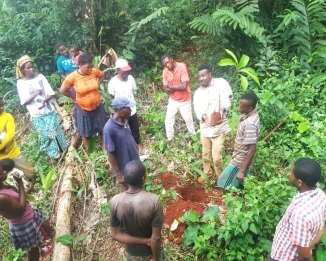
Addressing the needs of populations living in poverty, or extreme poverty, is paramount, as their main priority is supporting their families. Therefore, it is crucial to raise people’s awareness of environmental issues, which are often not their immediate concern. However, if the project can provide farmers with stable and reliable incomes, the next in order is to conduct awareness sessions on the preservation of endangered species. The active involvement of communities in habitat restoration efforts complements this initiative. Additionally, the chosen plant species, called Non-Timber Forest Products (NTFPs) are also useful to the communities for their fruits, roots, or leaves. These NTFPs are then purchased at an attractive price by “Tropical Forest Food and Cosmetics,” the company affiliated with the NGO. Thus, a sustainable value chain is assured while also protecting endangered species.

Main Species Planted:

  • African mango, Irvingia Gabonensis
  • Wild Mango, Irvingia Gabonensis
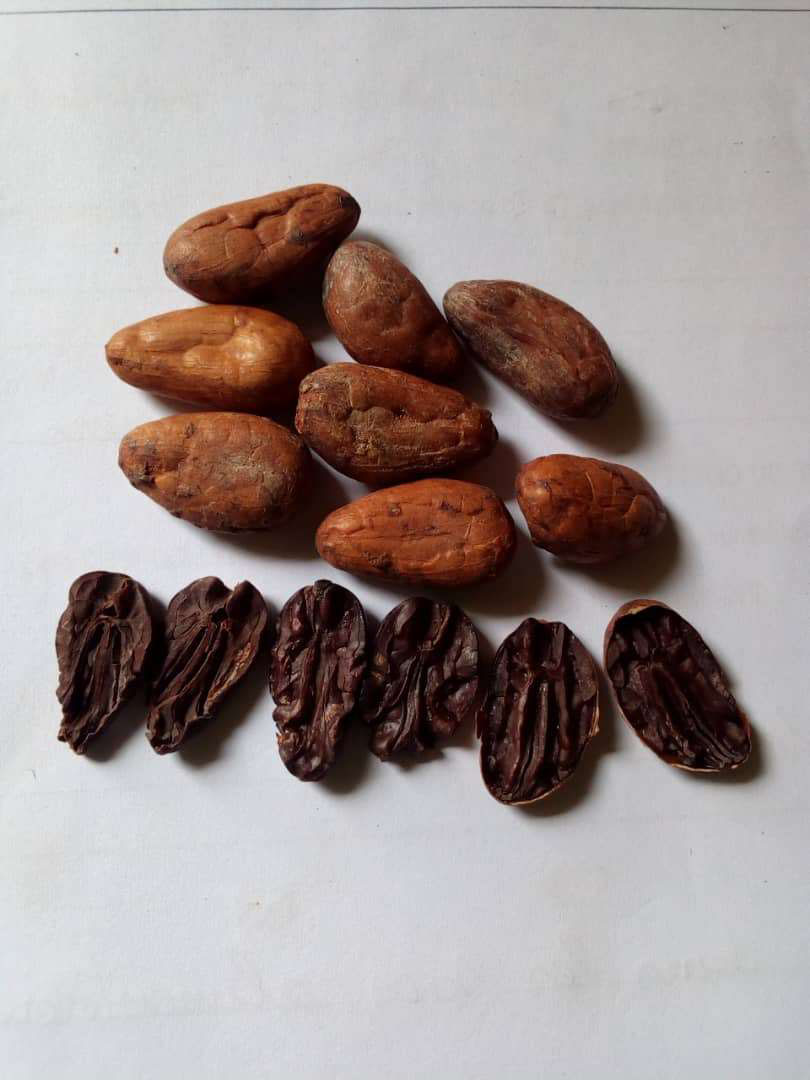
  • Cacao Tree, Theobroma cacao
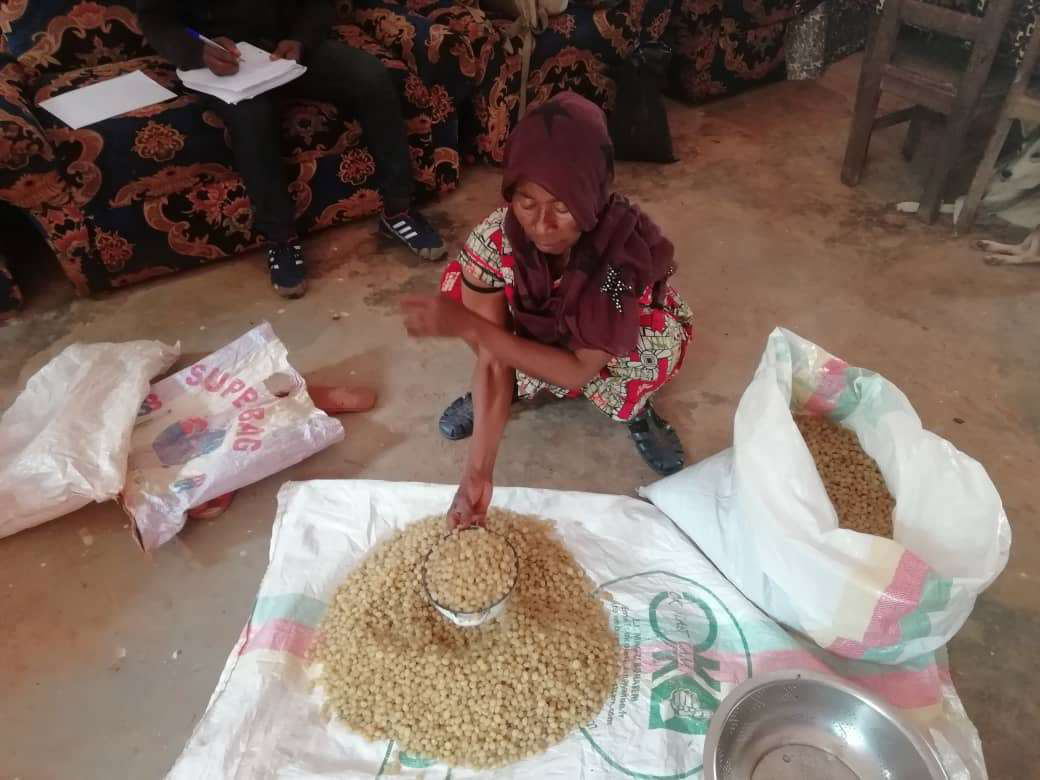
  • Djansang (Njangsa), Ricinodendron heudelotii
  • Coconut Tree, Cocos nucifera
  • Mbalaka (African oil bean), Pentaclethra macrophylla
  • Tallow tree, Allanblackia floribunda
  • Castor Bean, Ricinus communis

Beneficiaries:

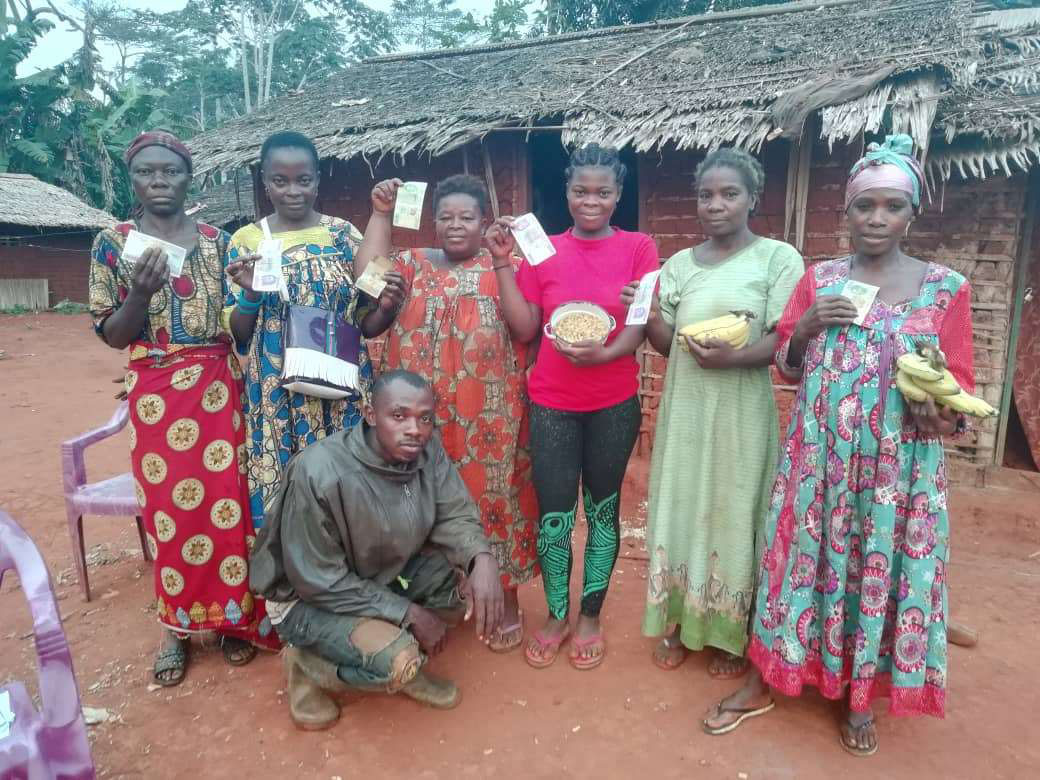
Indigenous communities and populations living on the outskirts of the Campo Ma’an reserves, especially women’s groups and cocoa farmers.