
Project Managers:
Up2green in collaboration with Envol Vert, Forestever, and Fundacion Impulso Verde
Project Overview:
The project is located near the city of Ipiales, a city in the Nariño department of Colombia close to the Ecuadorian border.
Situated at an altitude of 3,000 metres, the city and surrounding villages have approximately 200,000 residents.
The indigenous communities belong to the Pasto people, who hold a cosmic view of the earth as the centre of the world, situated between the sky and the underworld, with agriculture as their main activity. The widespread use of chemical fertilisers, especially for potato production, is notable in the area.
L’emploi d’engrais chimiques est largement répandu, en particulier pour la production de pommes de terre.
Objectives:
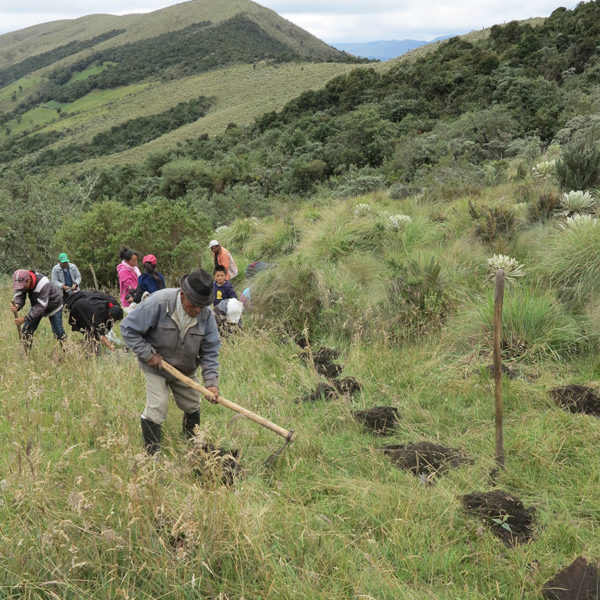
- Plant over 120,000 trees over the next three years involving the residents of the indigenous reserves in the area;
- Plant native species to enhance ecosystem services and rejuvenate biodiversity in pastures;
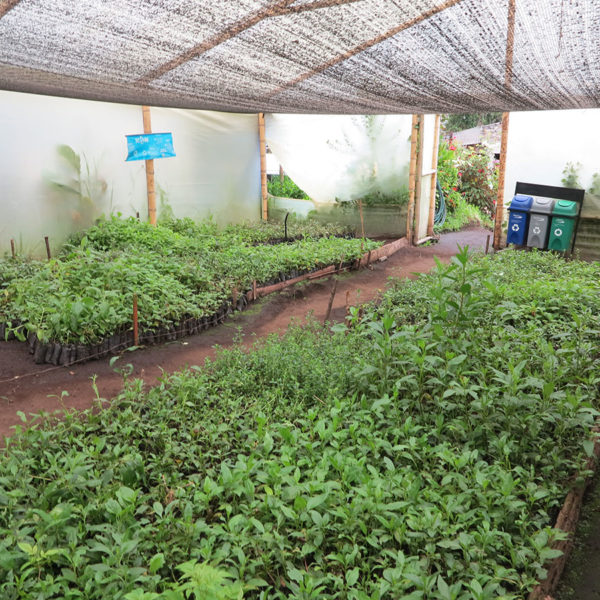
- Support local productive units and secure outlets for the seedlings produced;
- Promote complementary productive activities, such as honey production and medicinal plants;
- Generate green jobs;
- Protect high-altitude water sources and watercourses by reforesting their borders;
- Broaden knowledge about native species;
- Forge strong partnerships with the national technical learning centre.
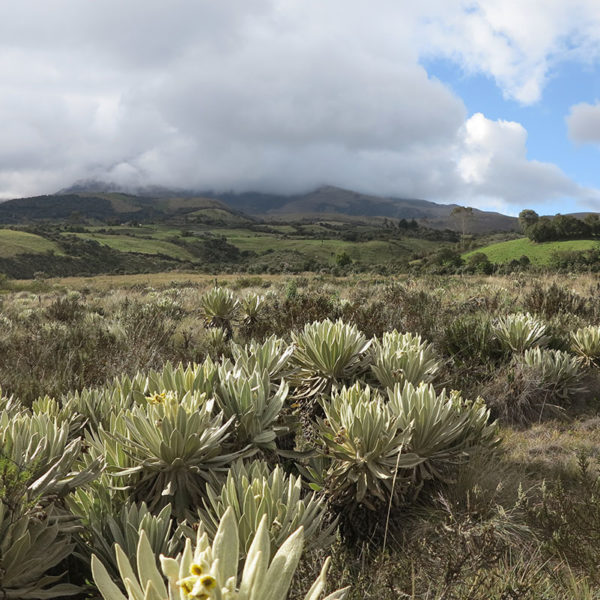
The expansion of pastures for milk production has severely degraded the high-altitude forest ecosystem that are vital for water retention. These pastures at high altitudes compromise both the water quality and its availability. Forests that once captured moisture from clouds have disappeared, making the area increasingly dry. This situation is exacerbated by the introduction of water-intensive species like pine and eucalyptus in pastures, which significantly deplete the available water resources.
Beneficiaries:
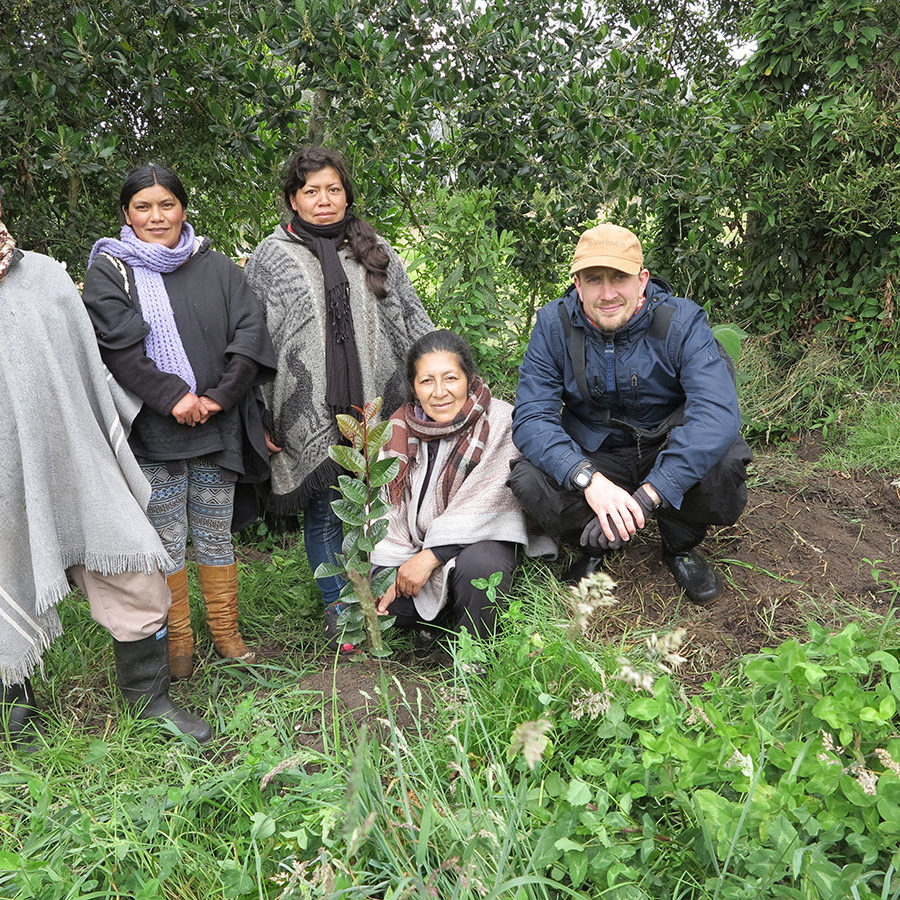
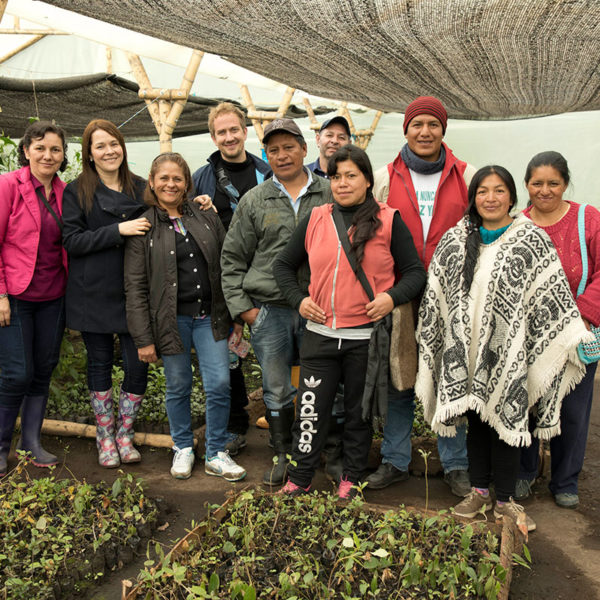
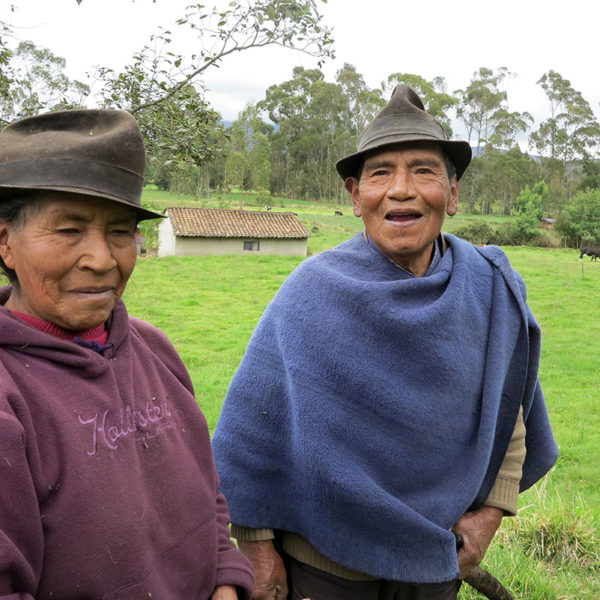
The beneficiaries are the residents of the indigenous reserves where the project is taking place. Currently, five indigenous reserves of the Pasto origin are involved. These communities have noted a significant reduction in water resources over recent years and are keen to restore the forested areas crucial for water regeneration.