
Project Overview:
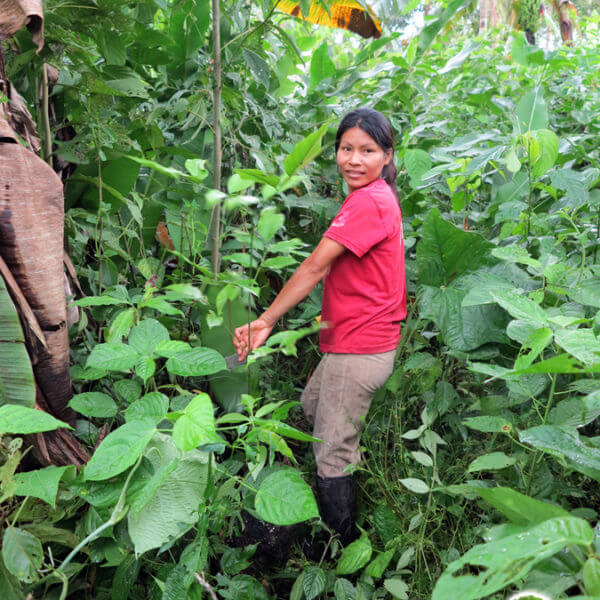
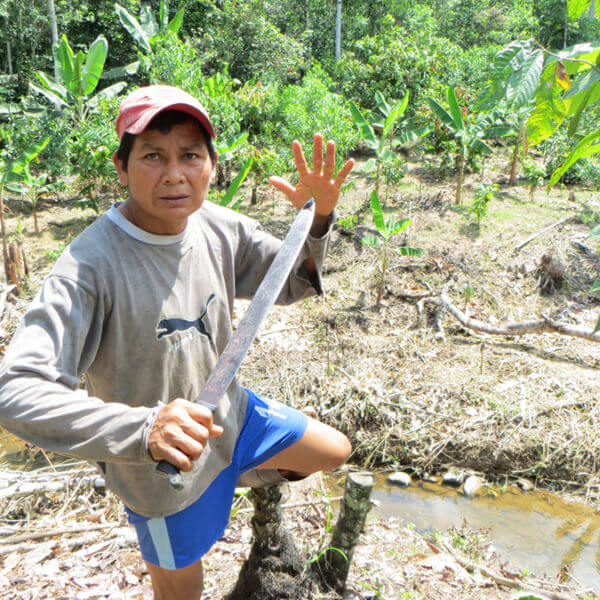
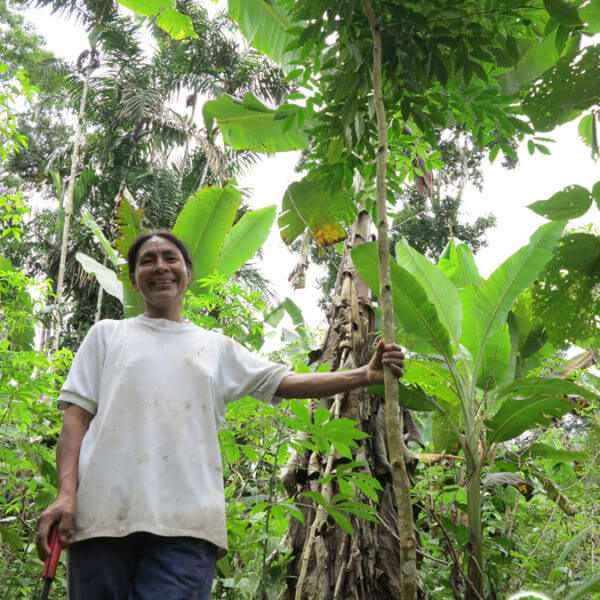
Traditionally, Kichwa farmers have practised a sustainable agroforestry model, integrating food crops with trees. Due to increasing financial needs, subsistence farming has gradually shifted to cash cropping, leading to monocropping and pasture development. These significant changes have resulted in the overexploitation of natural resources, deforestation, soil erosion, and degradation, thereby worsening the living conditions of the Kichwa people.
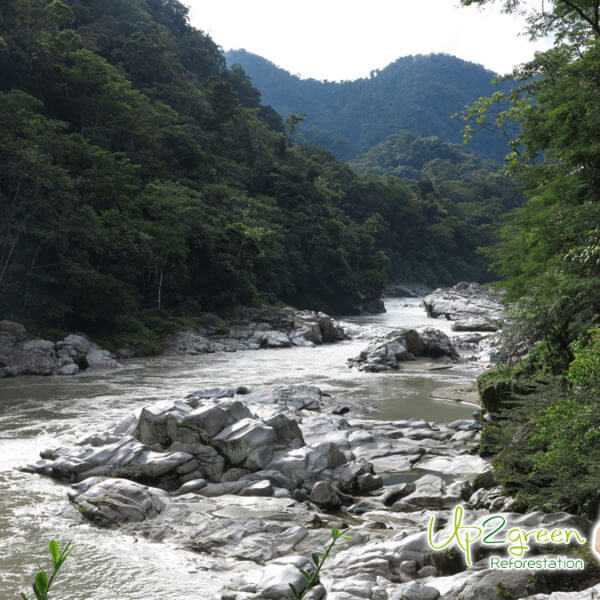
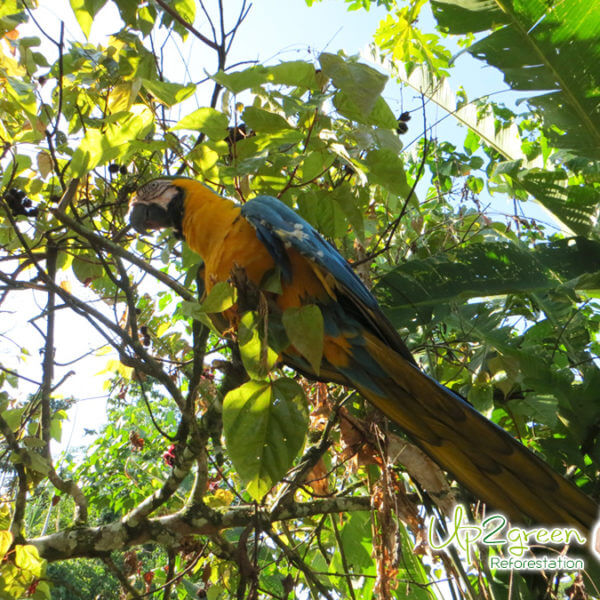
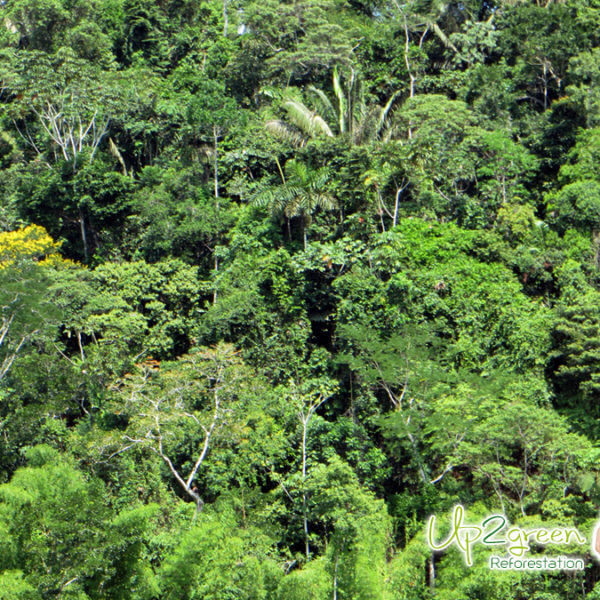
The Talag canton comprises about thirty Kichwa communities spread across approximately 30,000 hectares. These communities have primarily developed along rivers and the Jatunyacu River. The Talag canton is the nearest inhabited area to Llanganates National Park. However, population growth and poor land use have forced the Kichwas to farm within this park and to cut down trees there. The proximity of the canton to this vast biodiversity reserve underscores the critical importance of conservation and rational resource use in the area.
Objectives:
- Improve the living standards of the indigenous populations;
- Enhance the value of production;
- Create agricultural cooperatives;
- Promote the marketing of local produce;
- Process agricultural products to add value;
- Preserve the resources of the Amazon forest;
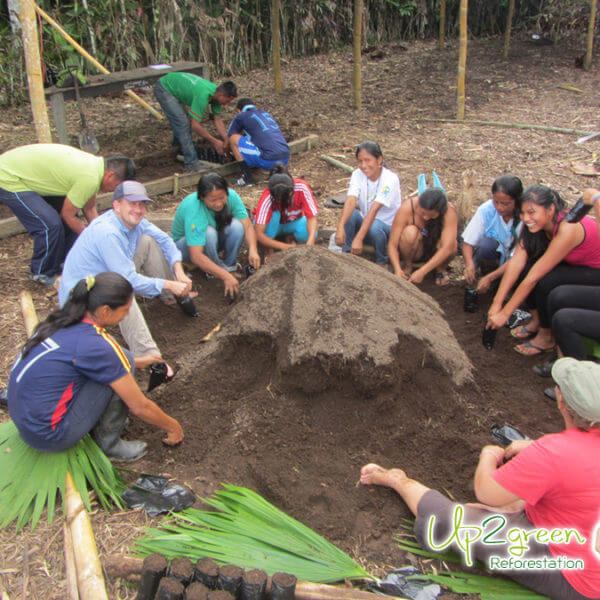
- Establish family or community nurseries;
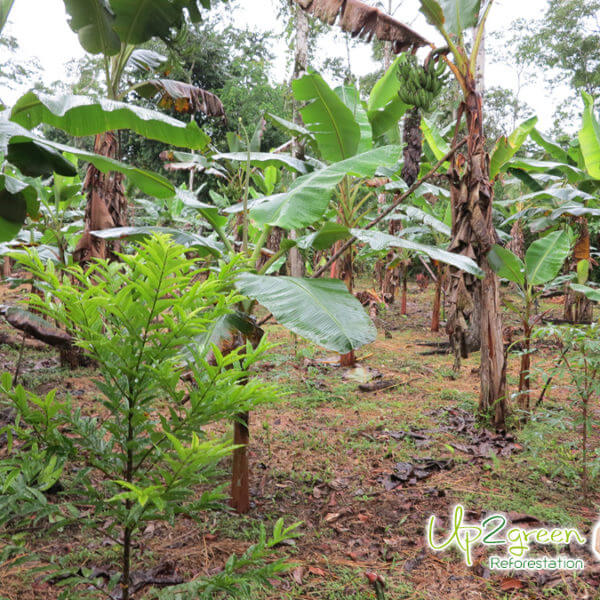
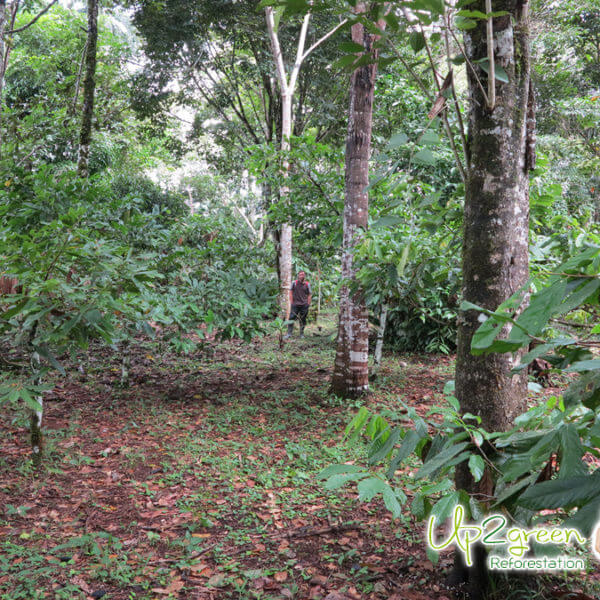
- Develop agroforestry plots;
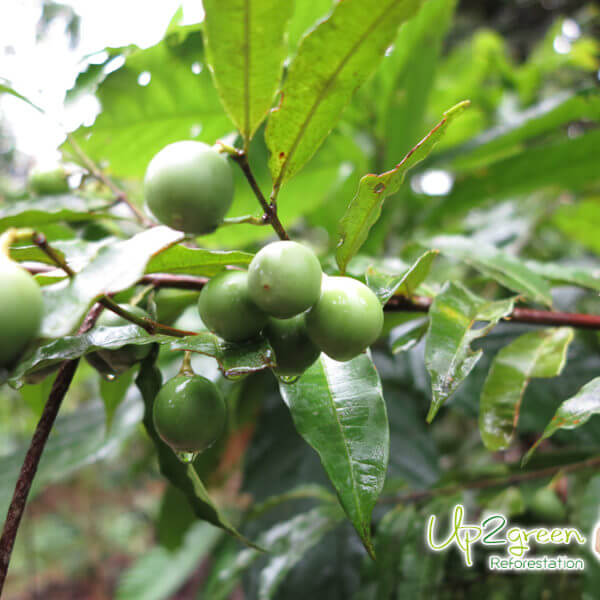
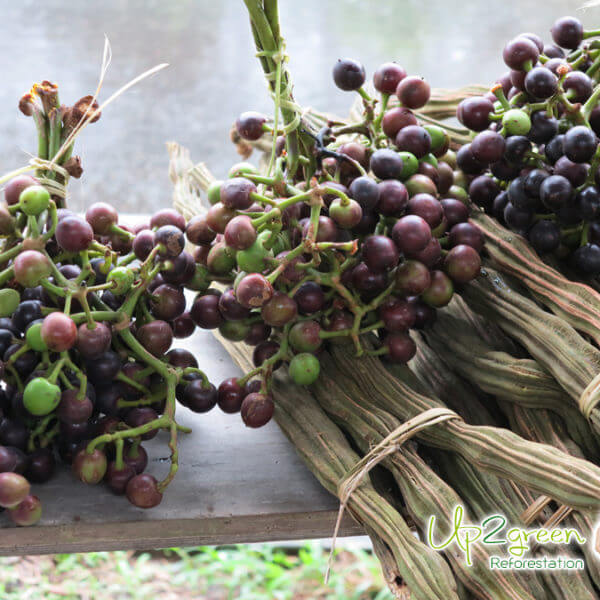
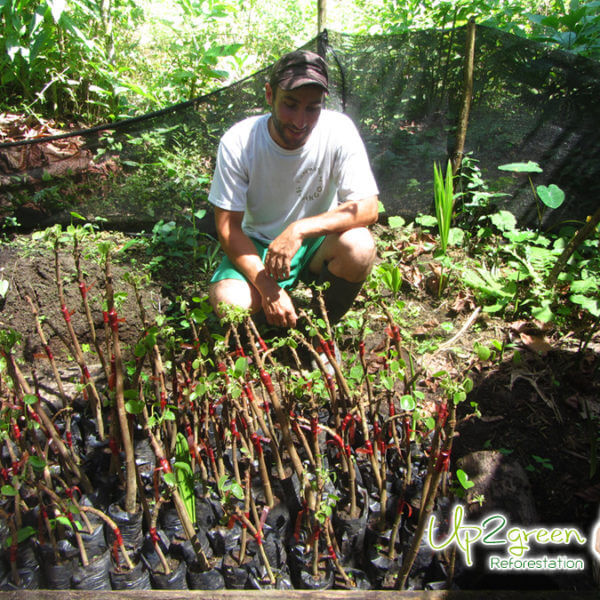
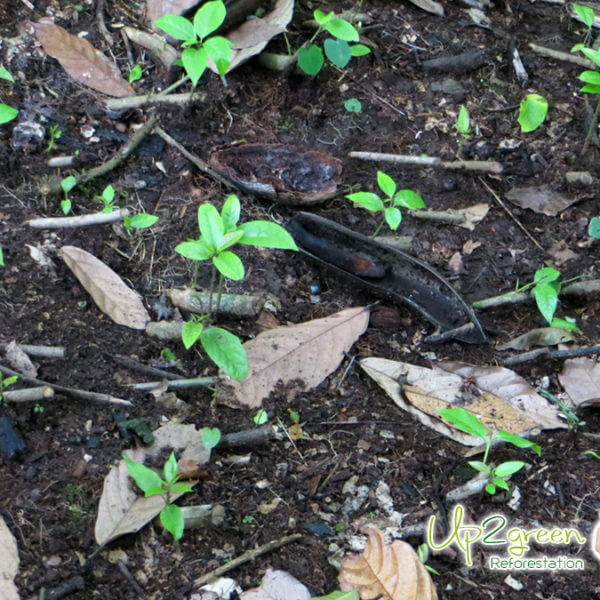
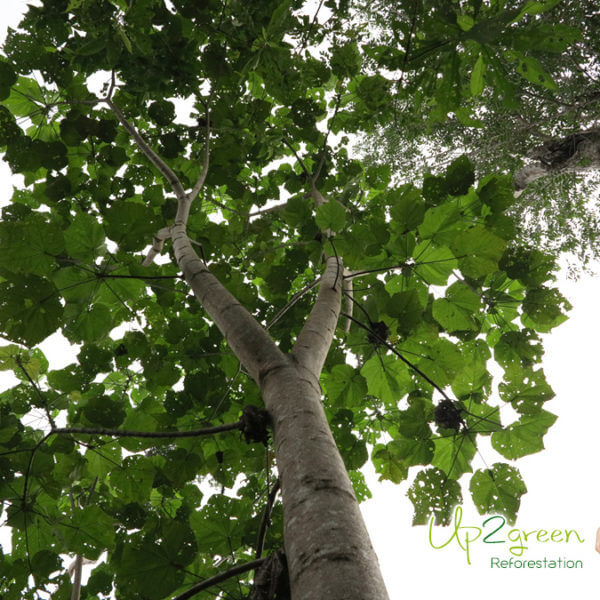
- Cultivate seedlings of timber and fruit species such as: Peine de mono (Apeiba membranacea), Pinga (Aspidosperma sp), Canelo amazonico (Ocotea quixos), Borojo (Borojoa sorbilis), Watery apple (Syzygium aqueum), Jaboticaba (Myrciaria cauliflora), Salak (Salacca edulis);
- Combat the expansion of monocultures and cash crop agriculture;
- Fight against deforestation and soil erosion;
- Preserve the Llanganates National Park.
Given the dwindling forest resources, logging is becoming more frequent in the neighbouring national park: in Kichwa culture, without a traditional savings system, woody forest resources act as a bank. This is a survival economy based on the selective exploitation of a few forest species. Given this overexploitation, reforestation has emerged as the only means to renew economically valuable woody species. Furthermore, reforestation should not prevent the maintenance of traditional subsistence crops (banana, cassava, etc.). The most appropriate response to the demand is a return to agroforestry, a practice where subsistence crops are integrated with timber, fruit, medicinal, or craft-oriented species with economic potential.
Beneficiaries:
The beneficiaries encompass all the agricultural families within the Talag canton, totaling around 450 families. Some communities are located close to the main road and have access to electricity, while others live in more remote areas. The proximity to the road impacts both their ability to sell agricultural products and their involvement in timber harvesting. The average monthly income per family is €70, mainly sourced from the sale of crops such as cocoa, maize, bananas, and citrus fruits. While these families are self-sufficient in terms of food due to their arable lands, they lack a formal savings system. This means that in times of unexpected expenses or for significant outlays like school fees, weddings, or medical costs, they often rely on logging and selling wood. The long-term advantages of this project, particularly those related to the cultivation of slow-growing trees, will take time to become apparent.