
Project Managers:
Up2green Reforestation and El Hombre sobre la Tierra
Project Overview:
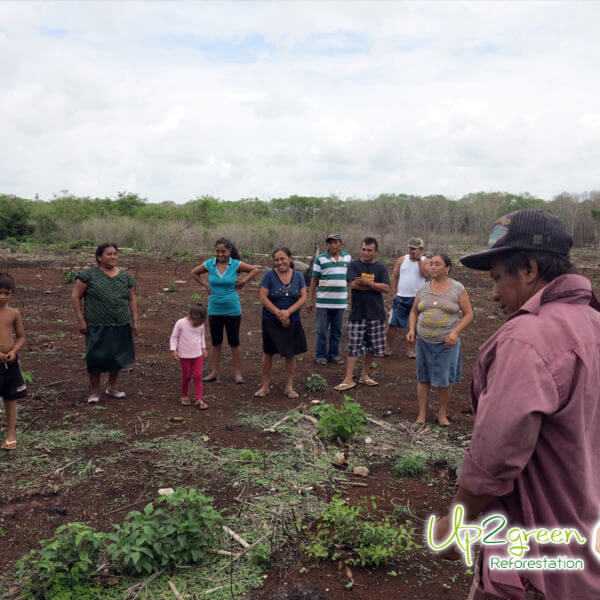
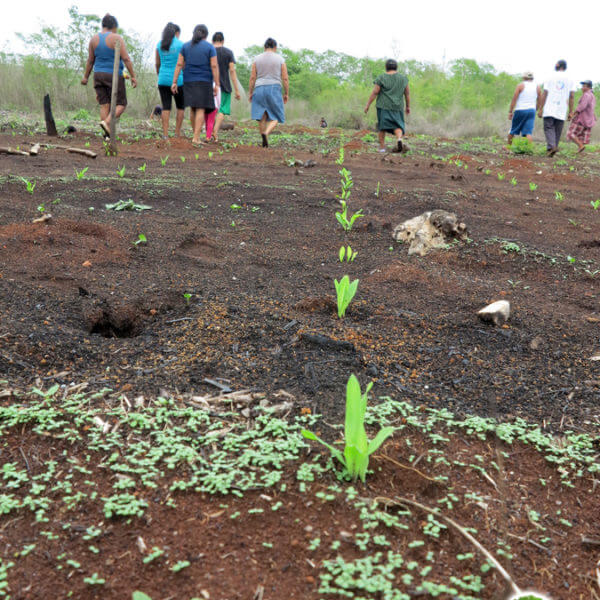
Up2green Reforestation has established a presence south of Mérida in the Yucatán, actively developing a community reforestation and forest conservation programme with various communities around the “municipio” of Tecoh.
Objectives:
- Raise community awareness and encourage behavioural changes
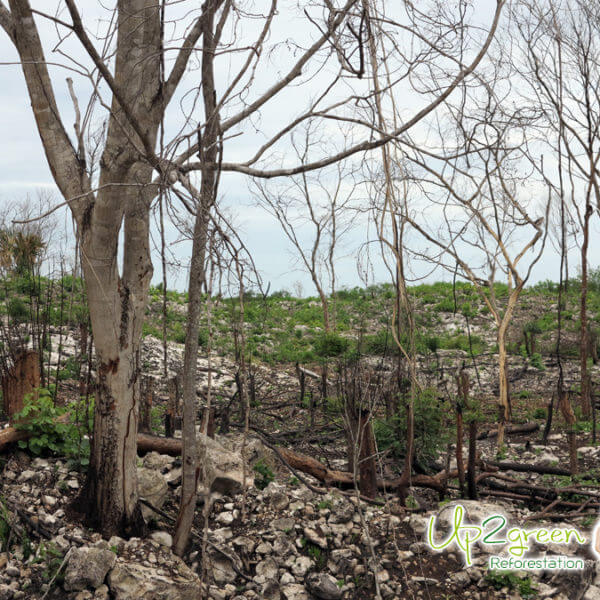
- Contribute to the restoration of degraded ecosystems;
- Restore soil fertility;
- Diversify income through fruit production;
- Combat bushfires;
- Halt the advance of desertification.
The association works closely with Kanan Kab, which manages a nursery of endemic trees, and El Hombre Sobre La Tierra, which has been operational for 21 years in the Yucatán peninsula. This group has expanded its reach to over 39 communities, engaging more than 1,000 families in projects aimed at achieving food sovereignty, creating productive and supplementary activities, and facilitating access to education.
The project has set a target to plant 145,000 trees over five years, starting at the end of 2016.
Project Overview:
The predominant economic activities in this region include agriculture, apiculture, and, to a lesser extent, trade.
The government distributes agro-industrial inputs (insecticides, fungicides, fertilisers, and commercial seeds) to the populace without providing necessary technical training for their proper use. This lack of guidance has led to reduced soil fertility and adversely affected biodiversity. Moreover, this form of state intervention creates dependency among producers who struggle to acquire seeds to cultivate and rejuvenate their soil. Environmental threats such as droughts and cyclones, exacerbated by climate change, further compound these challenges.
Traditional agriculture still relies on the slash-and-burn cultivation of maize, beans, and gourds for subsistence, known locally as “milpa.” This practice, deeply rooted in Maya culture, has survived for over 500 years under harsh conditions. Each year, 170,000 hectares of land are burned in Yucatán. However, with growing demographic pressures, this traditional farming method is no longer sustainable.
Given these circumstances, it is crucial to facilitate the transition towards a more sustainable and productive agricultural model. The programme includes planting fruit and timber trees on mostly non-irrigated agroforestry plots. A hydro-retainer made from cellulose, a French innovation, is used during tree planting to ensure an over 85% survival rate during the dry season, which can last more than six months.
Adding fruit trees to family plots enhances the productive capacity of farmers and increases nutritional contributions. The timber trees planted will provide a significant long-term income source while helping to curb illegal logging in forests.
Beneficiaries:
The beneficiaries are the residents of communities south of Valladolid and in the municipality of Tecoh.
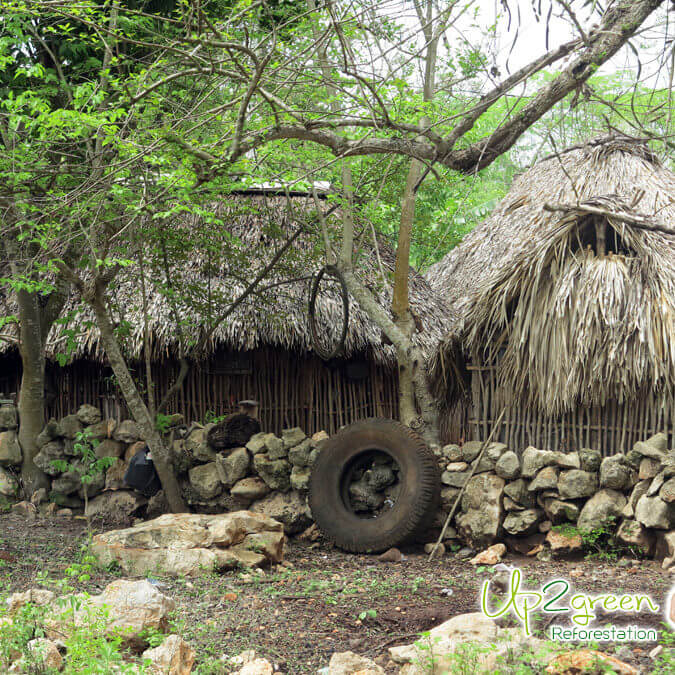
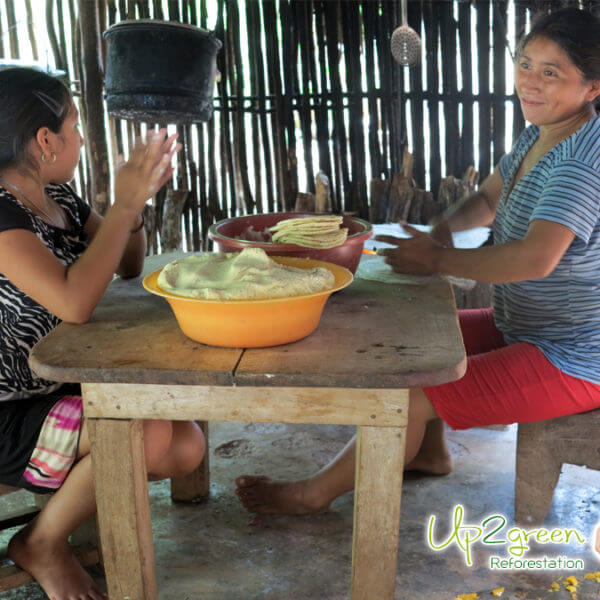
Maya communities are often isolated due to the lack of public transportation in the area. Some are considered highly marginalised with issues like food insecurity, poverty of natural resources, limited access to education and health care, and unsanitary living conditions.
In most of the “municipios” involved in the reforestation and conservation programme, 94% of residents do not have medical insurance, and 85% of children under five suffer from malnutrition.