
Project Managers:
Up2green in collaboration with Nébéday
Location:
Sine Saloum, Senegal
Start of the Project:
2021
Achievements to Date:
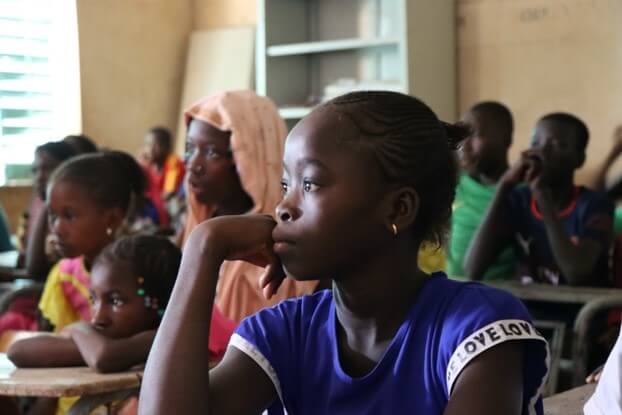
10,077 trees planted, benefiting 1,900 students across 19 schools
Projections:
36,000 mangroves, 2,700 palmyra palms, and 6,800 other trees by 2022
Concerned Ecosystem:
The initiative addresses multiple ecosystems, notably the wooded savannah where plantings are conducted within schools and villages, and the mangroves, which are specific to tropical coastlines.
Objectives:
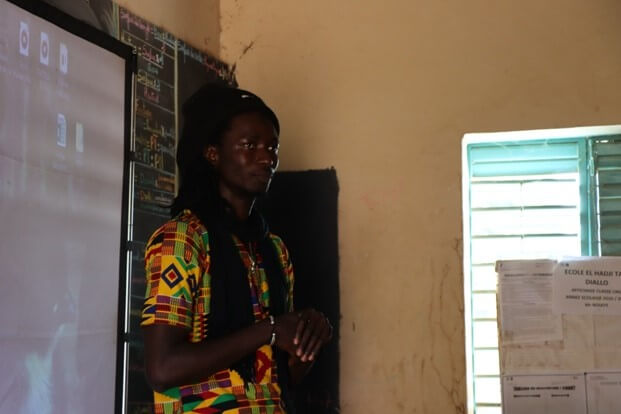
- Train students to create tree nurseries;
- Raise awareness among students on current environmental issues: deforestation, waste management, and sustainable agriculture;
- Encourage families to plant trees to diversify their diet;
- Plant trees on the school grounds to provide shade for the children.
Planted Species:
- Moringa, Moringa Oleifera
- Cashew, Anacardium occidentale
- Pigeon Pea, Cajanus indicus
- Aphania Senegalensis
- Papaya, Carica papaya
- Flamboyant, Delonix regia
- Lemon Tree, Citrus x lemon
- Palmyra palm (Borassus)
Project Overview:
Mangroves form a unique wetland ecosystem at the confluence of river and sea, characterised by brackish water. Only a few plant species such as mangroves thrive here, and they are often harvested by local populations to be used as wooden frames for houses and as an energy source. These areas also serve as biodiversity sanctuaries and crucial buffer zones against climate-related damage. Sine Saloum is especially important as a delta refuge for thousands of birds and other species.
Meanwhile, on land, desertification is gradually advancing due to deforestation and longer dry seasons. It is therefore crucial to train future generations to take care of the environment and to provide them with economic alternatives.
Beneficiaries:
The initiative primarily benefits students of the schools where the trainings are held, their families who receive tree saplings, and local facilitators who are trained and compensated to facilitate and oversee the planting initiatives.